

You told yourself it made sense. Why pay someone else to do something you could learn on YouTube? So you downloaded Canva, figured out how to schedule posts, and started writing your own captions between customer calls.
Six months later, you're still doing it — and if you're honest, you're exhausted.
Here's what most small business owners never stop to calculate: DIY marketing isn't free. It's just a cost you're paying in a currency that doesn't show up on your income statement — your time does.
The Real Price of Doing It Yourself
Let's run the numbers plainly.
If you're spending 10 hours a week on marketing — writing posts, editing graphics, responding to comments, and analysing what's working — and your time is worth even ₦5,000 an hour as a business owner, that's ₦50,000 a week. Over a month, that's ₦200,000. Over a year, that's ₦2.4 million in time cost.
For that figure, you could hire a capable digital agency and have your weekends back.
But time cost is only part of the equation. The fuller picture includes the following:
- Opportunity cost. Every hour you spend on Canva is an hour you can't spend on sales, clients, or other parts of your business.
- Output quality. Marketing done well requires strategy, consistency, and skill. Done in spare moments between everything else, it tends to be inconsistent — and inconsistent marketing rarely compounds.
- Mental load. The cognitive tax of managing your own marketing rarely shows up in a spreadsheet, but it is reflected up in your energy levels, your decision fatigue, and eventually your business results.

What "Saving Money" on Marketing Actually Looks Like
Here's a pattern that plays out constantly with small businesses.
An owner starts out doing everything themselves because the budget is tight—which is understandable. But as months pass, a few things happen:
1. Their posting becomes irregular because life gets in the way.
2. Their messaging drifts because there's no strategy anchoring it.
3. Their brand starts to look inconsistent across platforms.
4. Leads, notice. Or more accurately, they don't notice, because inconsistent brands fade into the background.

The business owner then faces a harder challenge than when they started: not just building an online presence but rebuilding trust and attention they've already partially lost.
DIY marketing delays the problem. It rarely solves it.
When DIY Makes Sense (and When It Doesn't)
To be fair, not every stage of business needs agency support.
DIY can work when:
- You're pre-revenue and genuinely cannot afford external help
- You're a one-person service business where your personal brand IS the business
- You're in a testing phase and need to understand your audience before systematising
DIY stops working when:
- You're turning away work because you don't have capacity
- Your marketing is inconsistent and you know it
- You've been "meaning to sort the website out" for more than six months
- You have a team but no one owns marketing
- You're growing, but your online presence doesn't reflect that
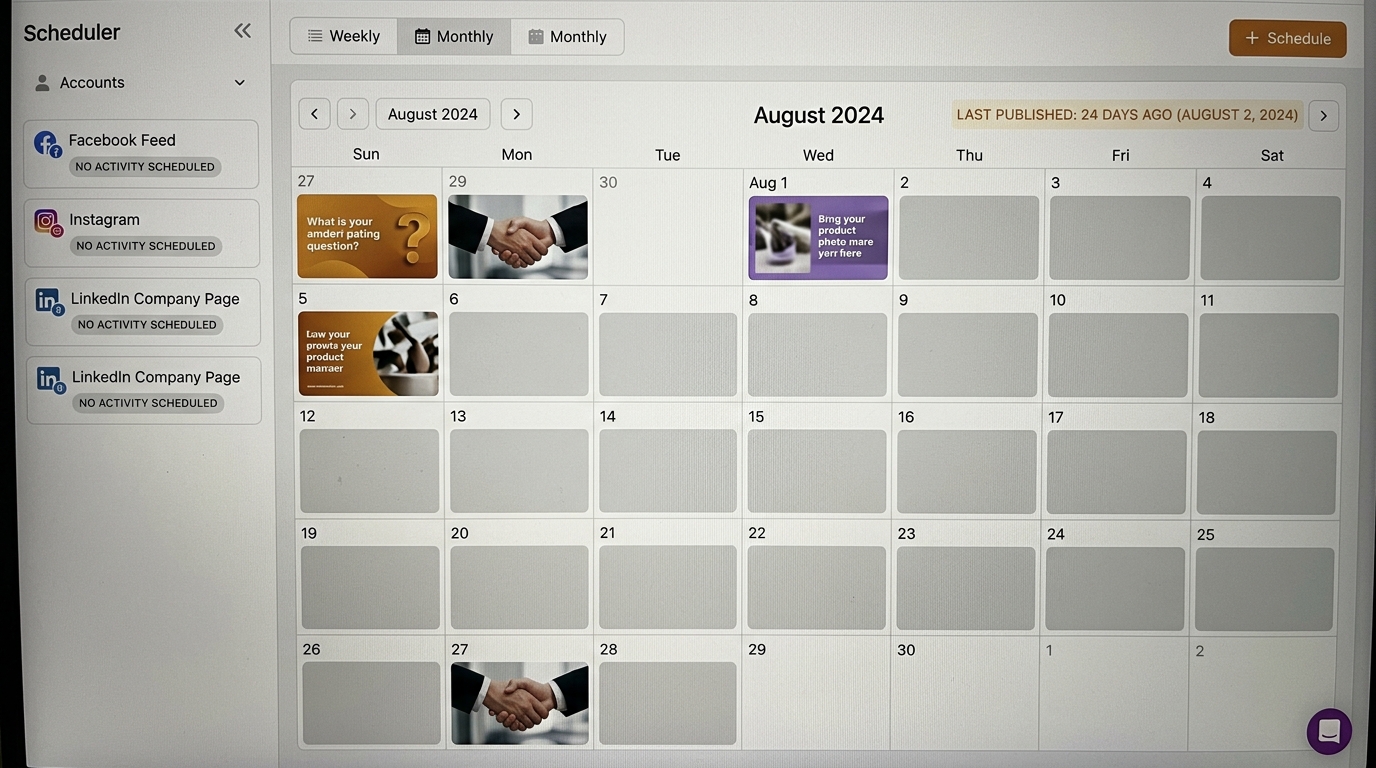
The honest question to ask yourself is this: Would you trust a part-time, tired, overstretched version of yourself to run your operations? Your finances? Your customer service?
Marketing is no different. You deserve a version of it that's consistent, strategic, and not done at midnight.
What You Actually Get When You Bring in the Right Agency
A common misconception is that hiring an agency means losing control of your brand. The opposite tends to be true.
A good agency becomes a thought partner, not just an executor. They ask the questions you haven't had time to ask—about your positioning, your ideal customer, or the content that actually converts— and they build systems that run without your constant input.
What that looks like in practice:
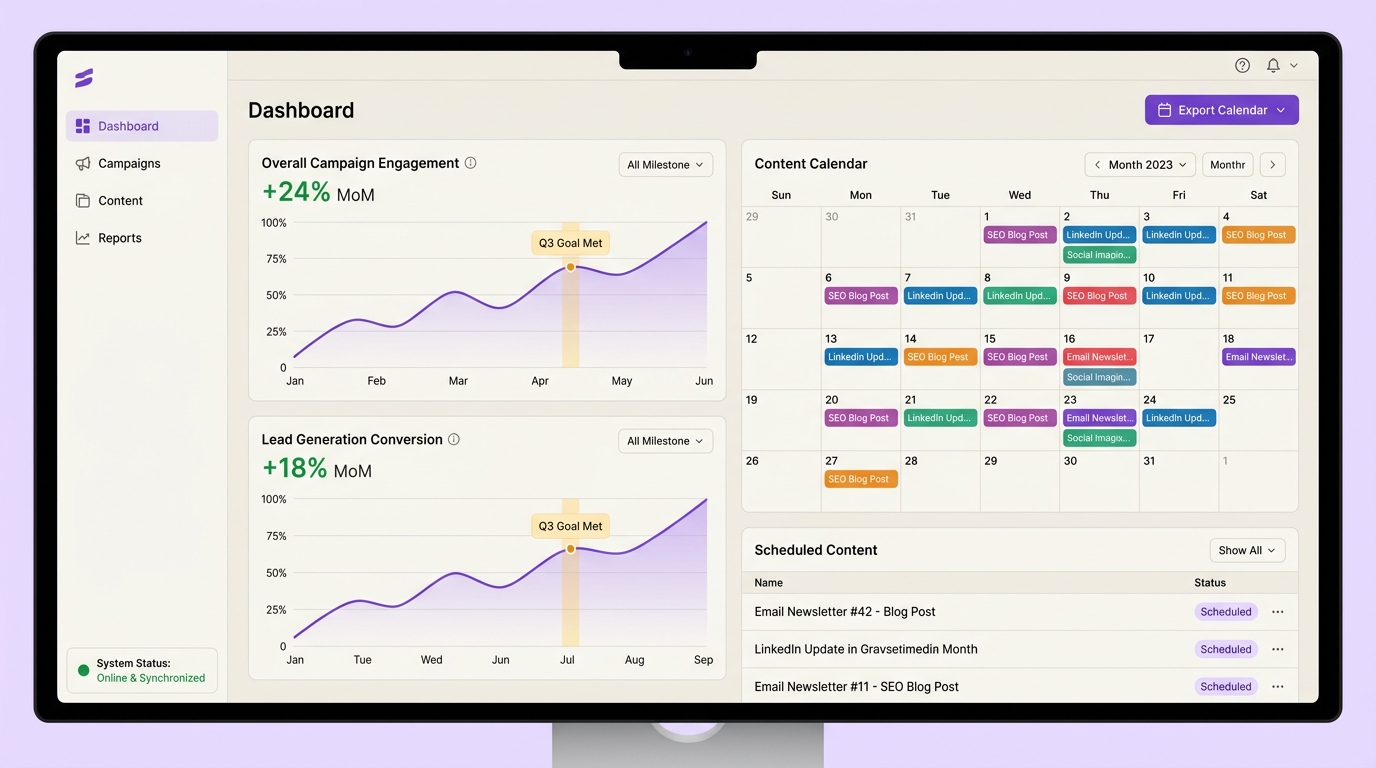
- Consistent output. Posts go out on schedule. Campaigns run without you chasing anyone.
- Strategic thinking. Every piece of content ties back to a goal, not just a calendar slot.
- Measurable results. You can see what's working and make decisions based on data, not gut feel.
- Your time back. You can spend this time growing the business, serving clients, or simply not working on a Saturday.
The Calculation Worth Making
Before your next month of DIY marketing, do this:
1. Track every hour you spend on marketing this week — social media, email, website updates, anything.
2. Multiply that by what your time is genuinely worth.
3. Compare that number to what professional support would cost.
Most business owners who do this exercise are surprised. The gap between "saving money" and "losing money quietly" is smaller than they expected.

Conclusion
DIY marketing isn't wrong — it's a season. But staying in that season longer than necessary isn't discipline. It's a habit that costs more than you realise.
You built a business worth marketing properly. That's exactly what it deserves.
Ready to see what a fresh set of eyes could do for your brand? Book a free strategy call with our team — no obligation, just an honest conversation about where you are and where you want to be.