
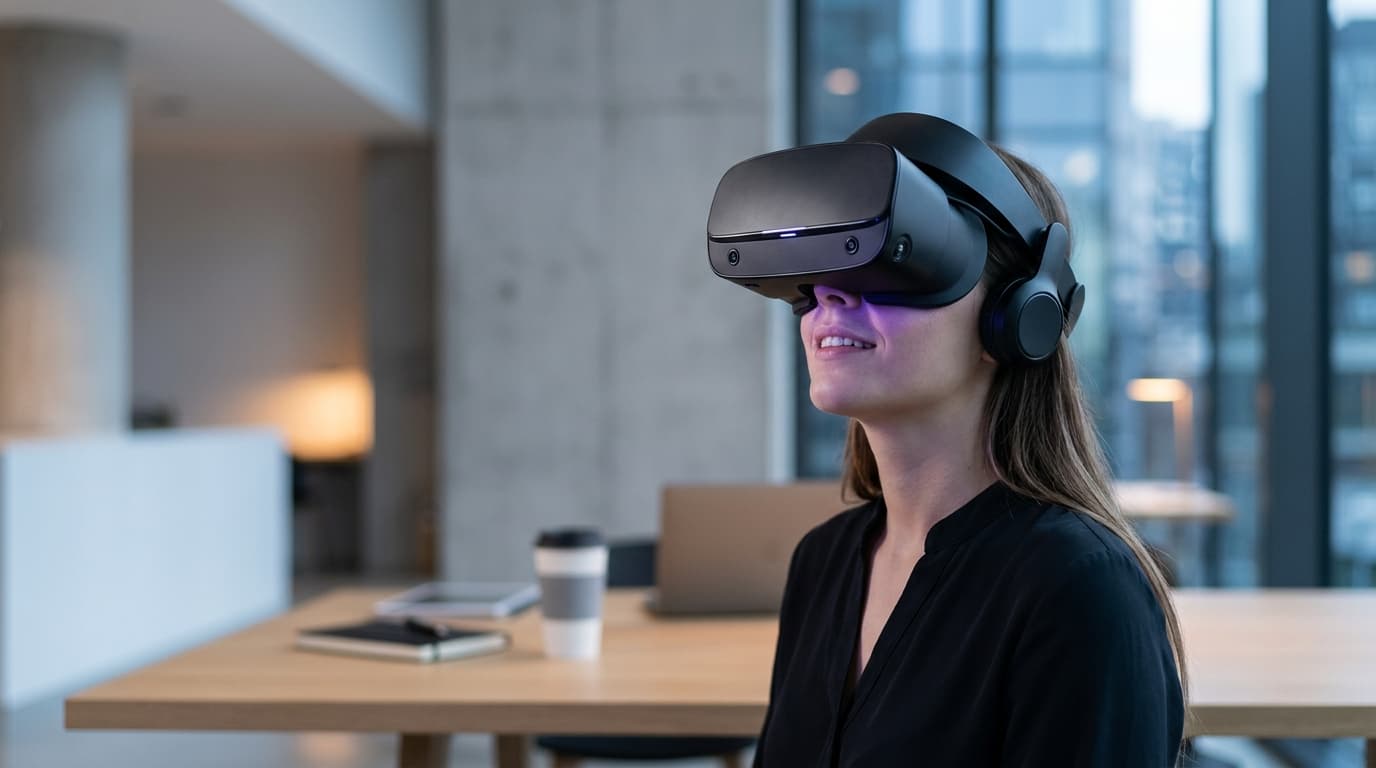
Meta, formerly known as Facebook, has made one of the most significant bets in the history of consumer technology—that the next major computing platform will not be a screen you look at, but a world you step into.
With the Meta Quest series leading the charge, that bet is starting to look less speculative and more inevitable.
From Social Network to Spatial Computing
The shift from Facebook to Meta in 2021 was not a rebranding exercise. It was a strategic declaration. The company was signaling that its future — and its understanding of the internet's future — lay in virtual and mixed reality, not in the two-dimensional feeds that built its empire.
The Meta Quest headsets have been the most visible expression of that direction. The Meta Quest headsets have brought VR to an audience that earlier headsets never reached, as they are untethered from a PC or console, relatively affordable, and supported by a growing library of experiences. Gaming was the entry point, but it was never the destination.

The Metaverse Ambition
At the center of Meta's VR vision is a concept the company has spent billions building toward: the metaverse—a persistent, shared virtual space where social and professional life can unfold with the same fluency as the physical world.
The ambition is genuinely expansive. Virtual offices where distributed teams collaborate with spatial presence. Digital storefronts where consumers browse and buy physical products. Live events—concerts, conferences, and graduations—attended from anywhere on earth. The promise is a seamless layer between the digital and physical, where the distinction between the two matters less and less.

Hardware improvements have been steadily closing the gap between ambition and experience. Higher-resolution displays, more accurate hand and body tracking, improved passthrough cameras for mixed reality, and growing developer investment are making Meta's virtual environments more convincing and more practical with each hardware generation.
The Challenges That Come With the Territory
Meta's VR ambitions do not exist in a vacuum, and the conversation around them is not all optimistic.
Privacy and data remain the most persistent concerns. VR headsets collect a category of biometric and behavioral data—eye movement, physical responses, spatial habits—that goes well beyond what a smartphone captures. For a company with Meta's history on data practices, the scrutiny is understandable and not going away.
Adoption friction is real. Despite falling prices, headsets are still considered a significant purchase, and wearing one for extended periods has not yet become effortless. Mass adoption requires the hardware to get lighter, cheaper, and more socially normalized—progress that is happening, but not quickly.
Overimmersion and well-being questions are gaining ground in both academic and policy circles. As virtual environments become more compelling, the line between healthy use and problematic escapism becomes a legitimate design and ethical question—one the industry is still working out how to answer.

Meta has publicly acknowledged these challenges and invested in safety frameworks, privacy controls, and responsible development guidelines. We will see how those commitments hold up at scale.
Why It Still Matters
Despite the challenges and the slower-than-projected consumer uptake, the underlying direction is not in doubt. Spatial computing — the broad category that includes VR, AR, and mixed reality — is where several of the world's most well-resourced technology companies are placing long-term bets. Apple's Vision Pro, though positioned differently, is a signal from a company that rarely moves early.
Meta's advantage is that it has been building this infrastructure longer than almost anyone else, and it has the social graph—the connections between people—that give a shared virtual space its reason to exist.
The metaverse, as Meta first described it, may arrive differently than expected. But the direction of travel — toward more immersive, spatially aware digital experiences — looks durable.
The Bigger Picture
For businesses, creators, and professionals thinking about where digital interaction is heading, Meta's VR work is worth watching closely—not because the headset you buy this year will change your life, but because the platforms being built now will define how the next generation works, socializes, and spends.
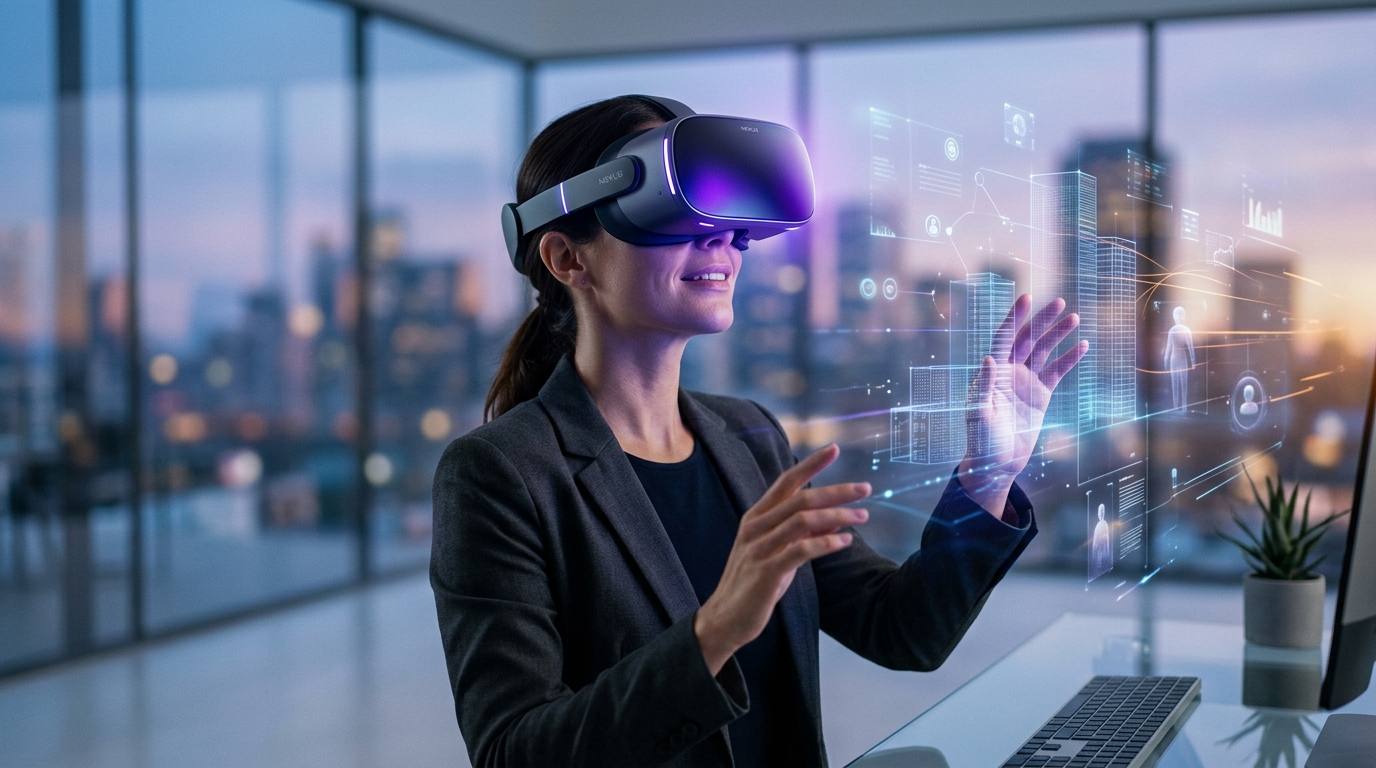
The question is not whether spatial computing becomes mainstream. It is when—and who will have built the habit and the presence—by the time it does.
Interested in how emerging digital platforms could affect your brand's online strategy? Let's talk — our team keeps a close eye on where the digital landscape is heading.